Behind the journey, the name and the roasts
Where it Started
A cup that finally lived up to the smell
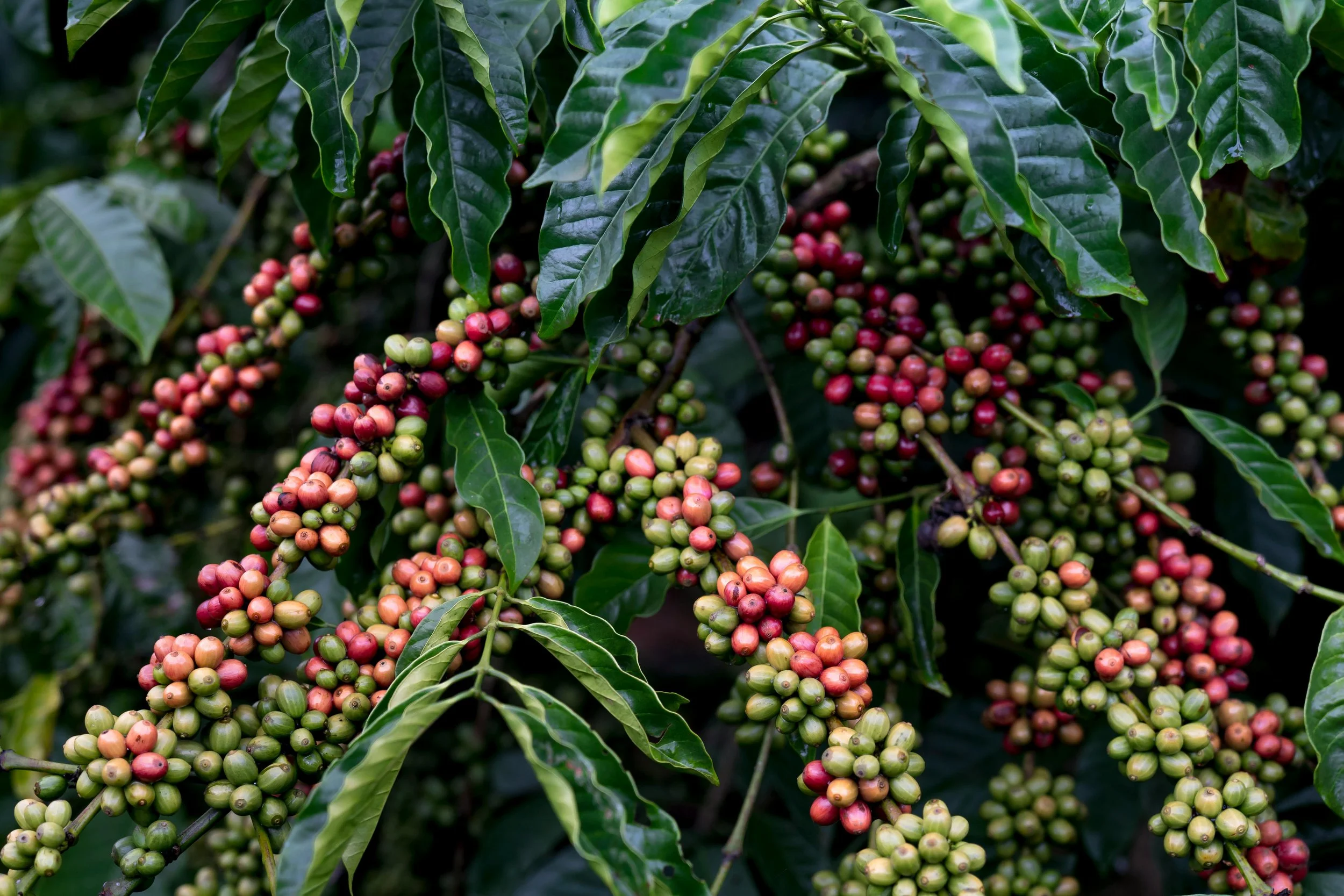
My coffee journey began as a teenager on a small coffee farm in Costa Rica. After touring the farm, the family who ran it roasted and brewed a cup right there on-site. I had tried coffee before, but this was the first time the flavor matched the aroma. That moment stuck with me, and I’ve been looking for well-prepared coffee ever since.
the first roasts
A frying pan, a hot plate and a lot of smoke
Tall Pines Coffee grew out of an experiment for my work as an apparatus designer at a local college. A professor wanted to show chemical engineering freshmen how environmental controls matter in industrial processes, so he roasted green coffee over a hot plate—filling the lecture hall with smoke.
Knowing I loved coffee, he handed me the leftover green beans. I roasted them in a frying pan at home, filled my own kitchen with smoke, and produced a terrible batch. But I was hooked.
That kicked off a stretch of constant tinkering. I built several homemade roasting rigs from thrift-store finds, scrap metal, and bits of circuitry to record the roast process. Evenings were spent reading every roasting book I could find and giving friends and family endless experimental batches. An intermediate roasting class finally gave me the confidence to scale up and start Tall Pines Coffee.
The Name
A place that shapes the coffee
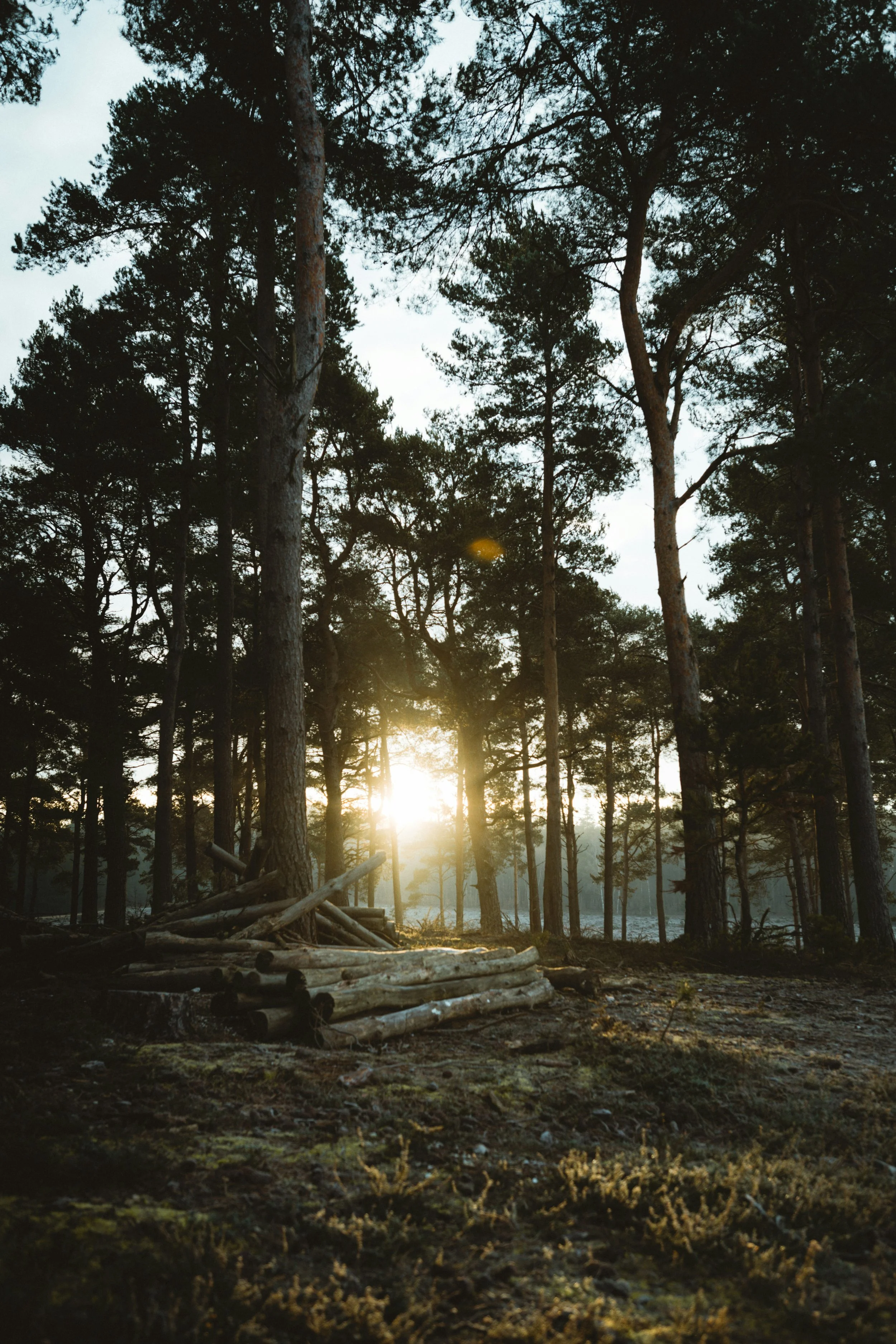
Tall Pines comes from one of my favorite places to drink coffee: the breezy pine forest where I live. Sometimes it’s a hot mug at sunrise as the light comes through the trunks. Sometimes it’s a cortado by the wood stove while snow filters through the canopy. The forest is calm, steady, and the perfect backdrop to think about the next iteration of a roast.
The Approach
A careful craft, five pounds at a time
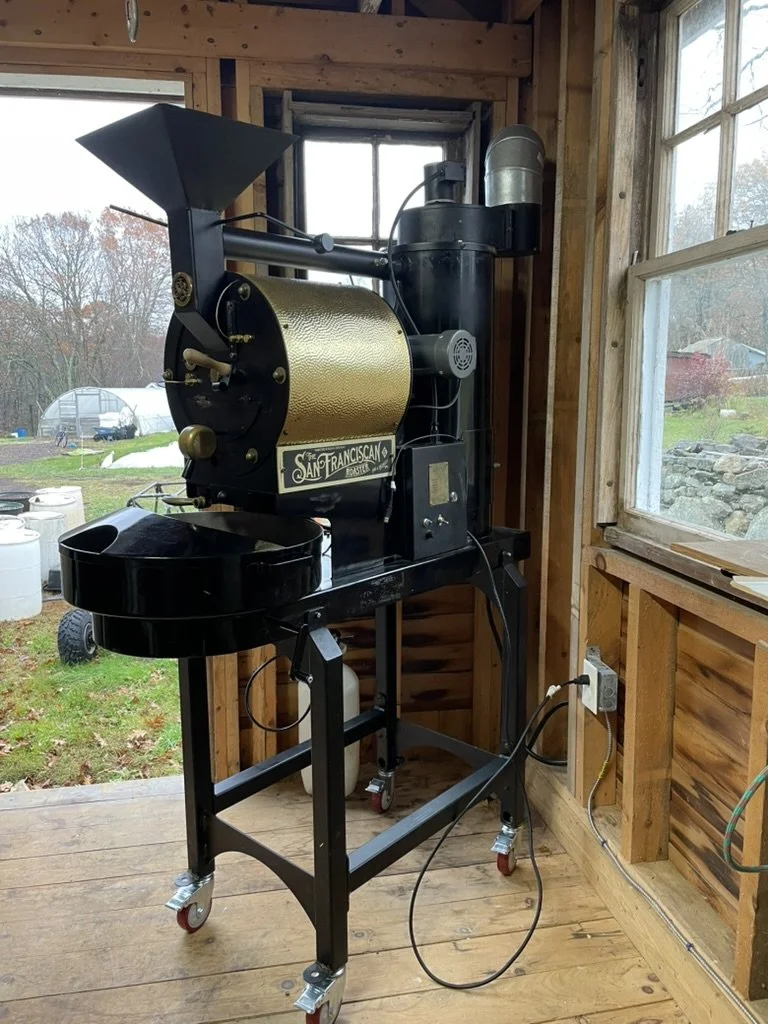
As an engineer and a craftsman, I combine the science and art of the craft to roast a coffee to the best of its potential. Tall Pines Coffee will not aim to make a coffee that tastes exactly the same from batch to batch. Instead, I experiment with different varieties, regions, and roasting techniques to coax the best flavors out of a bean.
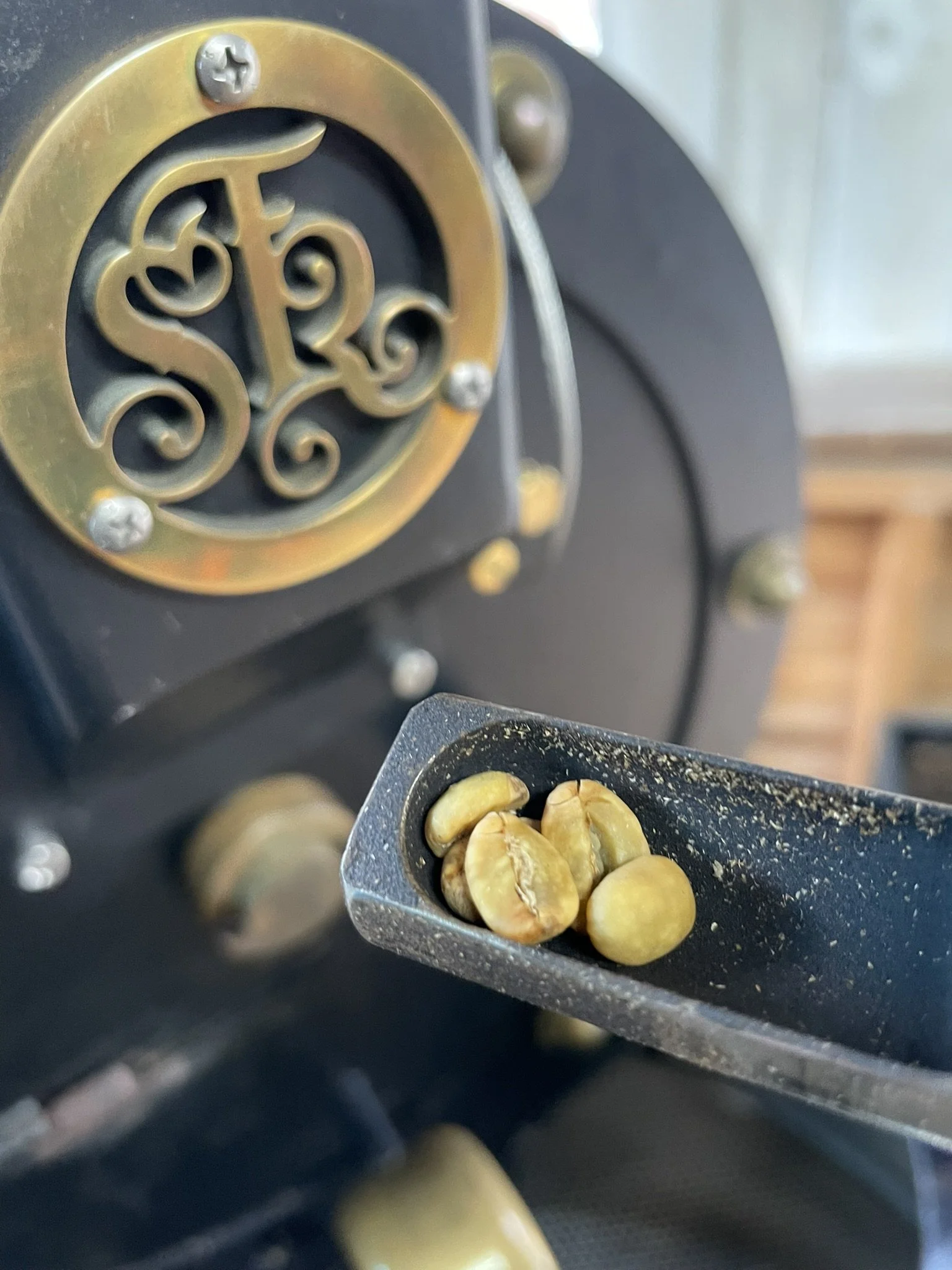
Roasting is completely hands-on—controlling heat input while monitoring temperature, smell and color for the perfect roast.
Where I Roast
A shared kitchen for small food businesses
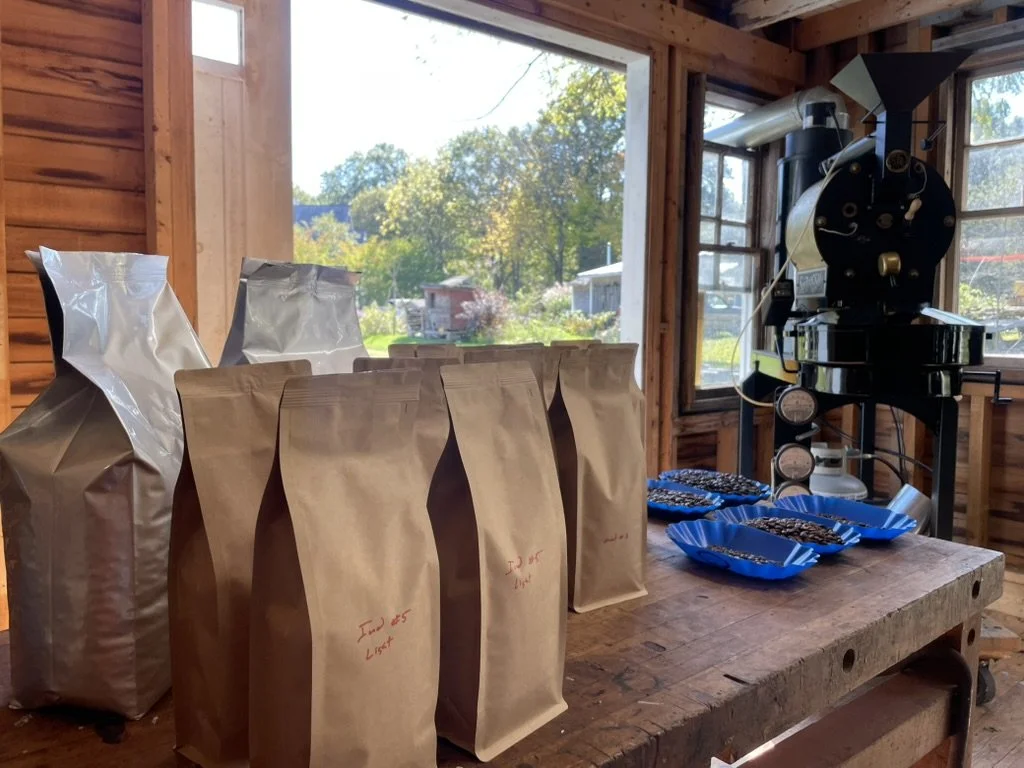
After years of roasting in my basement and barn, I outgrew those setups, and a full barn renovation wasn’t realistic for a business of my size. Worcester has a great resource for small food businesses—the Worcester Regional Food Hub. Their commercial kitchen in Union Station gives me a state of the art commercial kitchen along with training, networking, and support for growing businesses.
If you’re working on a food idea yourself, they’re worth reaching out to.
Where to find it
Order online for pickup at:
Cotyledon farm — Leicester
wooden bakery & Wooden bar — Worcester